Context
The Inca empire, Tawantinsuyu, expanded rapidly during the fifteenth century, and Pachacuti's building programme was central to that expansion. Royal estates served multiple functions: they reinforced the sovereign's prestige, provided agricultural surplus through terraced cultivation, and acted as nodes in the empire's ritual calendar. Machu Picchu was constructed around 1450 CE, probably over several decades, using a permanent labour force drawn from diverse ethnic groups under the mit'a corvée system. The site was occupied for roughly eighty years before being abandoned, likely in the early decades of the Spanish colonial period, though the precise circumstances of its depopulation remain debated.
The complex sits at the junction of the Urubamba River valley and the cloud-forest zone, a transitional ecological niche that gave its inhabitants access to both highland and tropical resources. Its position was not accidental. The Inca chose locations where the built environment could be woven into the natural landscape, and Machu Picchu exemplifies this principle: the surrounding peaks, river courses, and solar alignments were all incorporated into the site's planning. The granite bedrock itself was exploited as a construction material, with many walls and terraces growing directly from exposed outcrops.
Hiram Bingham's 1911 expedition brought the site to international attention, though local farmers had known of its existence for generations. Subsequent archaeological campaigns — notably those led by Peruvian and international teams from the mid-twentieth century onward — have refined understanding of the site's chronology, function, and social organisation. Isotopic analysis of skeletal remains has confirmed the multi-ethnic composition of the resident population, while studies of ceramic assemblages point to strong connections with the Cusco heartland.
What to Notice
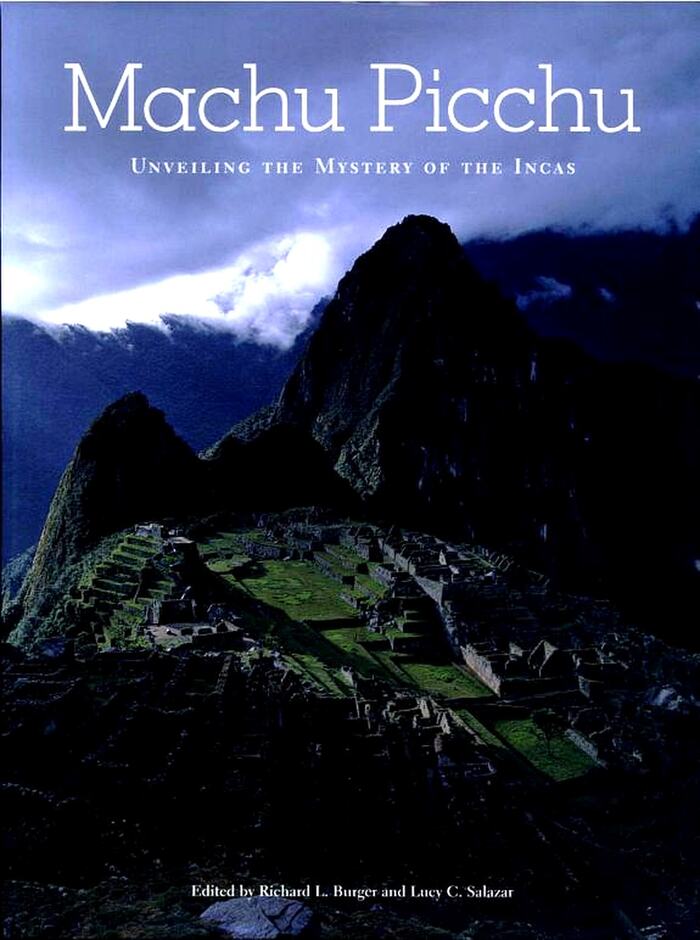
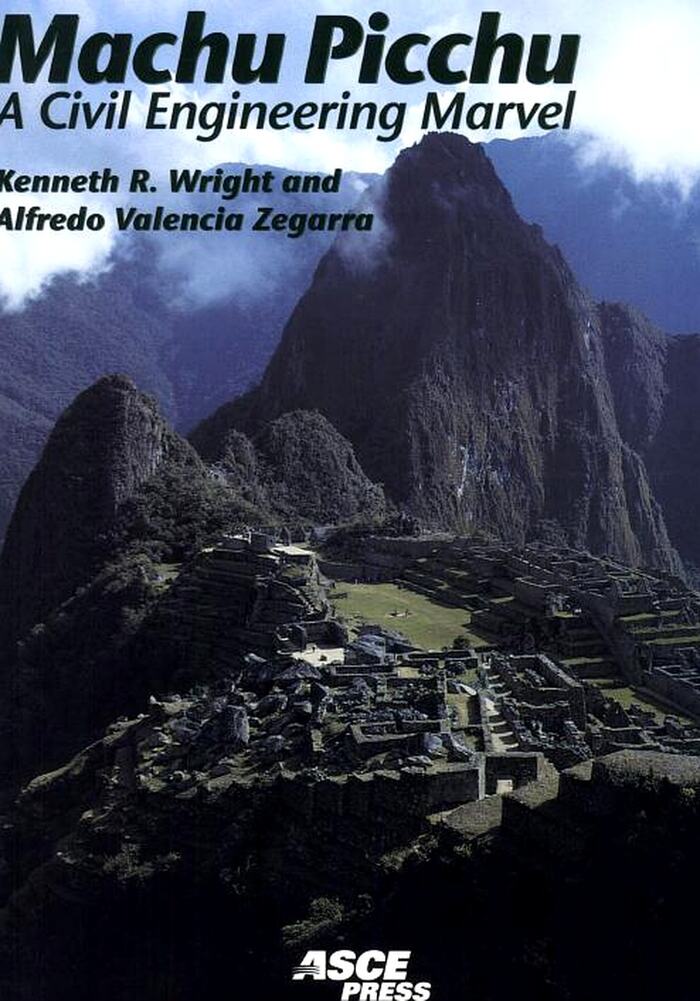
The most immediate visual impression of Machu Picchu is its integration with the mountain landscape. Viewed from the summit of Huayna Picchu, the full extent of the settlement is legible: the urban core, divided into eastern and western sectors by a central plaza, sits between the steep agricultural terraces to the south and the ritual precinct to the north. This elevated vantage reveals how the Inca planners exploited the saddle's topography, placing the most important ceremonial structures at the highest points and allowing the residential and workshop areas to cascade downward. The dramatic backdrop of Andean peaks beyond the site reinforces the sense that Machu Picchu was conceived as a landscape composition, not merely a collection of buildings.
The agricultural terraces deserve sustained attention. These broad, curving platforms were not simply decorative; they performed critical engineering functions. Each terrace was constructed with a deep gravel and soil fill designed to manage drainage, prevent erosion, and create microclimates suitable for cultivating maize, potatoes, and other crops at altitude. The terraces also stabilised the slopes against landslides — a constant threat in this seismically active, rain-heavy environment. Their visual rhythm, stepping down the mountainside in disciplined arcs, is one of the site's most recognisable features and a direct expression of Inca hydraulic and agricultural science.
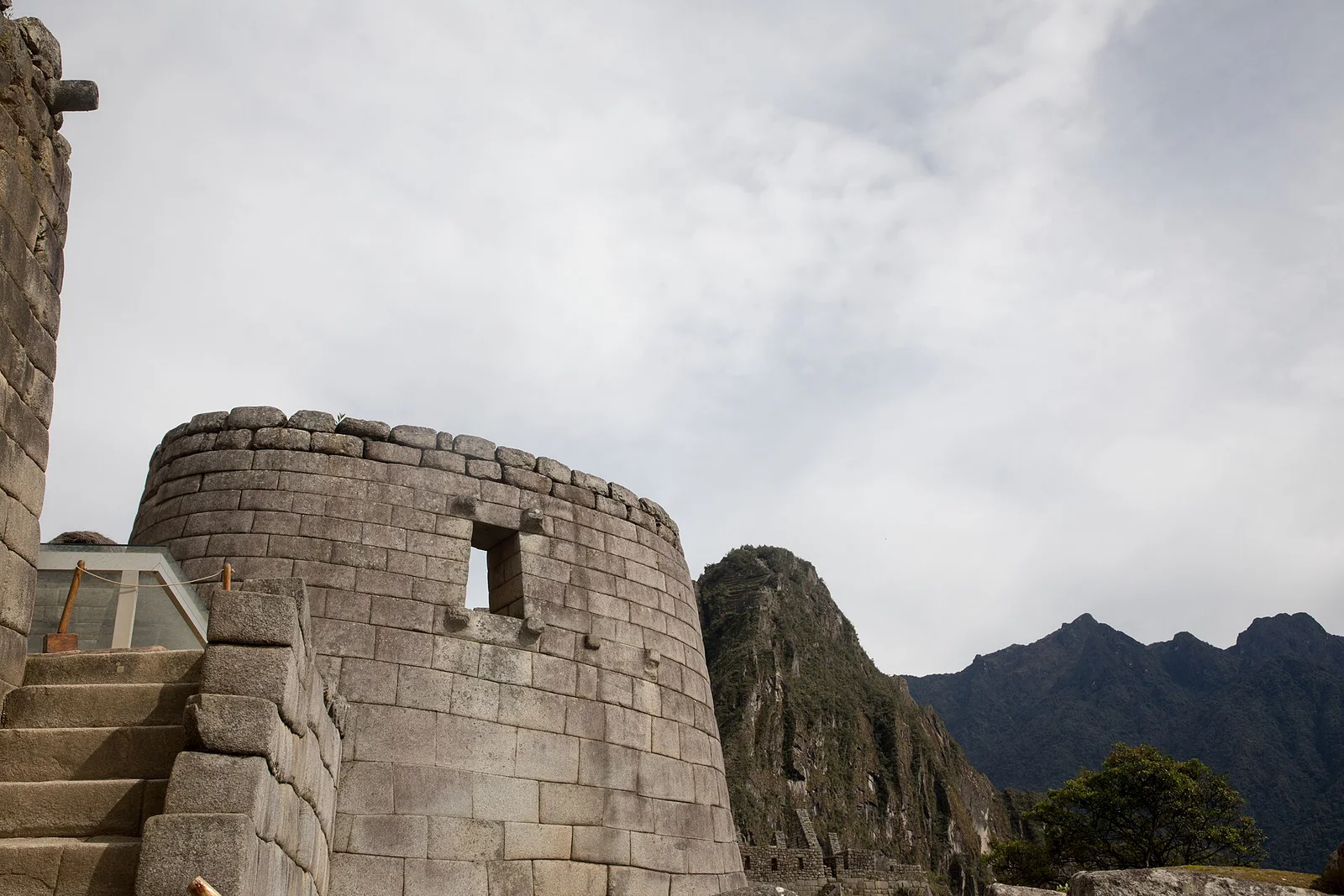
Within the urban core, the Temple of the Sun stands out for the quality of its masonry. Its curved wall, built from finely dressed ashlar blocks fitted without mortar, follows the contour of a natural granite outcrop that forms the temple's base. Beneath the temple lies a cave-like space sometimes called the Royal Tomb, though no burial has been confirmed there. The temple's eastern window is aligned to admit sunlight during the June solstice, casting a precise beam onto the interior rock — evidence of the astronomical awareness embedded in Inca sacred architecture. Nearby, the Intihuatana stone, a carved granite pillar on the site's highest ritual platform, served as a gnomon or ritual marker linked to solar observation. Its name, often translated as "hitching post of the sun," reflects the Inca belief that such stones could anchor the sun at critical moments in the agricultural calendar.
Points of Interest
The hydraulic system at Machu Picchu is a masterwork of pre-Columbian civil engineering. A spring on the northern slope feeds a canal that runs through the site, supplying a sequence of sixteen fountains arranged in descending order. The first and finest fountain served the Inca's own residential compound, establishing a clear hierarchy of access to water. The entire system was gravity-fed, requiring no mechanical intervention, and its design accounts for seasonal variation in flow.
The site's seismic resilience is equally notable. Inca masons employed a technique of slightly inclining walls inward and tapering doorways and niches in a trapezoidal form, which distributes lateral forces during earthquakes. The dry-stone joints, cut with extraordinary precision, allow individual blocks to shift and resettle without catastrophic collapse — a principle that modern engineers have studied with considerable interest.
Beyond the built environment, the sanctuary encompasses a wider protected area of cloud forest and high-altitude grassland, home to the spectacled bear, the Andean cock-of-the-rock, and hundreds of orchid species. This ecological richness was part of the site's original significance: the Inca understood and managed the transition between highland and lowland biomes, and the estate's location gave the court direct access to valued tropical products such as coca leaf.